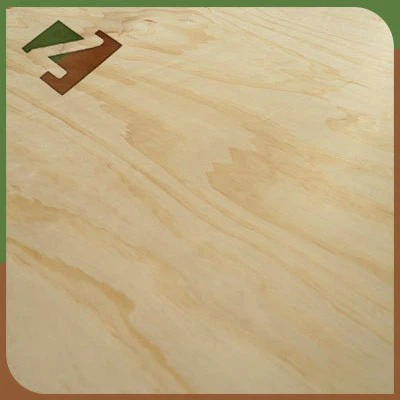
As a plywood supplier, I've encountered numerous customers inquiring about the ideal paint for plywood. Selecting the right paint is crucial as it not only enhances the aesthetic appeal of the plywood but also provides protection against various environmental factors. In this blog, I'll delve into the different types of plywood and the most suitable paints for each.


Types of Plywood and Their Characteristics
We offer a diverse range of plywood products, each with its unique features. For instance, Birch Veneer Face Plywood is known for its smooth and natural appearance. It has a fine grain structure, which makes it an excellent choice for applications where a high - end finish is desired, such as furniture making and interior decoration.
Another popular product is the 18mm Shuttering Plywood Sheet 4x8 - Multiple Reuses, Easy Stripping For Concrete Formwork. This plywood is designed for heavy - duty use in construction. It is exposed to concrete, moisture, and physical impacts, so it requires a paint that can withstand these harsh conditions.
The 3 - layers Yellow Plywood is a more economical option. It is commonly used for general construction purposes, such as wall partitioning and temporary structural supports.
Factors to Consider When Choosing Paint for Plywood
Before selecting a paint, several factors need to be taken into account.
1. Plywood's Use and Location
If the plywood is used indoors, the paint requirements are different from those for outdoor applications. Indoor plywood, like the Birch Veneer Face Plywood used in furniture, needs a paint that is non - toxic, odorless, and provides a smooth finish. On the other hand, outdoor plywood, such as the shuttering plywood, requires paint with excellent weather resistance to protect it from rain, sunlight, and temperature fluctuations.
2. Surface Preparation
Proper surface preparation is essential for good paint adhesion. Plywood surfaces may have knots, pores, or unevenness. For a smooth finish, it is necessary to sand the plywood before painting. Filling the knots and pores with wood filler can also improve the final appearance.
3. Durability Requirements
For plywood used in high - traffic areas or those exposed to frequent wear and tear, a durable paint is required. In the case of construction plywood, the paint should be able to resist abrasion and cracking.
Suitable Paints for Different Plywood Types
1. Water - based Latex Paint
Water - based latex paint is a popular choice for indoor plywood applications, especially Birch Veneer Face Plywood. It has several advantages. Firstly, it is easy to clean up with water, which makes the painting process less messy. Secondly, it dries quickly, allowing for multiple coats to be applied in a relatively short period. Thirdly, it is generally low in volatile organic compounds (VOCs), which is beneficial for indoor air quality. Water - based latex paint also provides good color retention and can be formulated to have a high - gloss, semi - gloss, or flat finish, depending on the desired aesthetic.
2. Oil - based Paint
Oil - based paint is known for its durability and excellent adhesion. It is a good option for outdoor plywood, such as the 18mm Shuttering Plywood Sheet 4x8. Oil - based paints form a hard, protective film that can withstand harsh weather conditions, including UV radiation, moisture, and temperature changes. However, they have some drawbacks. They take longer to dry, and the cleanup requires the use of solvents, which can be hazardous. Additionally, oil - based paints have higher VOC levels compared to water - based paints.
3. Epoxy Paint
Epoxy paint is a high - performance option for plywood that requires extreme durability. It is often used for industrial applications or areas with heavy traffic. Epoxy paint creates a strong, chemical - resistant, and abrasion - resistant surface. For the 3 - layers Yellow Plywood used in construction, epoxy paint can provide long - term protection against physical damage and chemical exposure. However, epoxy paint can be more expensive and more difficult to apply compared to other types of paint.
Painting Process
Once you have chosen the appropriate paint for your plywood, following the correct painting process is crucial.
1. Surface Cleaning
Start by cleaning the plywood surface to remove any dust, dirt, or grease. You can use a mild detergent and water solution, followed by a thorough rinse and drying.
2. Sanding
Sand the plywood with fine - grit sandpaper to create a smooth surface. This will also help the paint adhere better. After sanding, wipe away the dust with a clean, dry cloth.
3. Priming
Applying a primer is an important step, especially for plywood. A primer helps to seal the wood, fill in small pores, and improve paint adhesion. Choose a primer that is compatible with the type of paint you will be using.
4. Painting
Apply the paint in thin, even coats using a brush, roller, or spray gun. Allow each coat to dry completely before applying the next one. The number of coats required depends on the type of paint and the desired finish.
Conclusion
In conclusion, choosing the right paint for plywood depends on various factors, including the type of plywood, its use, location, and durability requirements. As a plywood supplier, I recommend carefully considering these factors to ensure the best results. Whether you need a high - end finish for furniture or heavy - duty protection for construction plywood, there is a suitable paint option available.
If you are interested in our plywood products or have any questions about painting them, please feel free to reach out. We are here to assist you in making the right choices for your projects and can provide further guidance on plywood selection and paint application.
References
- "Wood Painting Handbook" by Wood Products Association
- "The Complete Guide to Plywood Finishes" in Construction Materials Journal