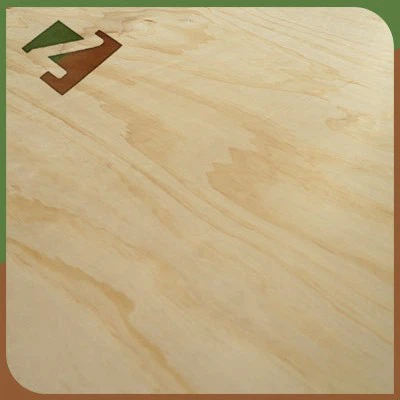
As a supplier of Green HMR MDF Board, I often get asked about the recyclability of this product. In this blog post, I'll delve into the topic, exploring the factors that determine whether Green HMR MDF Board can be recycled and the implications for our environment and business.
Understanding Green HMR MDF Board
Before discussing recyclability, let's first understand what Green HMR MDF Board is. Green HMR MDF Board is a type of Medium - Density Fiberboard (MDF) that offers high moisture resistance (HMR). It is made by breaking down hardwood or softwood residuals into wood fibers, often in a defibrator, combining it with wax and a resin binder, and then forming panels by applying high temperature and pressure.
The "green" aspect of this board typically implies that it is manufactured with some level of environmental consideration. This could mean using sustainably sourced wood fibers, low - emission resins, or having a production process that minimizes waste and energy consumption. Another variant, the Melamine Face HMR MDF Board, has a melamine - faced surface, which gives it added durability and aesthetic appeal.
Factors Affecting Recyclability
1. Wood Fiber Content
The primary raw material of MDF is wood fibers. Wood is a natural and renewable resource, and in theory, the wood fibers in MDF could be recycled. However, during the manufacturing process, the wood fibers are bonded together with resins. These resins can pose challenges to the recycling process.
2. Resin Binders
Most MDF boards, including Green HMR MDF Board, use synthetic resin binders such as urea - formaldehyde or phenol - formaldehyde. These resins are used to provide strength and durability to the board. However, they can make recycling difficult. When MDF is recycled, the resin needs to be separated from the wood fibers. This separation process is often complex and energy - intensive. Additionally, formaldehyde emissions from these resins can be a concern during the recycling process if not properly managed.


3. Additives and Coatings
Green HMR MDF Board may contain additives for moisture resistance, fire retardancy, or other properties. The Melamine Face HMR MDF Board has a melamine coating. These additives and coatings can further complicate the recycling process. For example, the melamine coating is difficult to separate from the wood fibers, and some fire - retardant additives may be hazardous if not handled correctly.
Current Recycling Practices
1. Mechanical Recycling
In some cases, MDF can be mechanically recycled. This involves grinding the MDF into small pieces and then using the ground material as a filler in new MDF production or other wood - based products. However, due to the presence of resins and additives, the quality of the recycled material may be lower than that of virgin wood fibers. As a result, the proportion of recycled material that can be used in new products is often limited.
2. Chemical Recycling
Chemical recycling methods are being explored to break down the resin binders and separate the wood fibers more effectively. These methods typically involve using solvents or chemical reactions to dissolve the resins. However, chemical recycling is still in the experimental stage for MDF and faces challenges such as high costs and potential environmental impacts associated with the use of chemicals.
3. Energy Recovery
When recycling is not feasible, MDF can be used for energy recovery. MDF can be burned in specialized incinerators to generate heat or electricity. This is a form of waste - to - energy conversion. However, this option also has its drawbacks, such as the release of pollutants if the incineration is not properly controlled.
Environmental Implications
1. Benefits of Recycling
If Green HMR MDF Board can be recycled effectively, it can have significant environmental benefits. Recycling reduces the demand for virgin wood, which helps in conserving forests. It also reduces the amount of waste going to landfills, which can help in reducing greenhouse gas emissions associated with landfill decomposition.
2. Challenges and Concerns
However, as mentioned earlier, the current recycling methods for MDF have limitations. The energy - intensive nature of some recycling processes and the potential release of pollutants during recycling can offset some of the environmental benefits. Additionally, the presence of formaldehyde in the resin binders can be a health and environmental concern if not managed properly.
Our Approach as a Supplier
As a supplier of Green HMR MDF Board, we are committed to environmental sustainability. We are constantly looking for ways to improve the recyclability of our products. This includes researching and developing new resin systems that are more easily recyclable, and exploring partnerships with recycling facilities to improve the recycling process.
We also encourage our customers to consider the end - of - life options for our products. By providing information about recycling and proper disposal, we hope to minimize the environmental impact of our Green HMR MDF Board.
Conclusion and Call to Action
In conclusion, while Green HMR MDF Board has the potential to be recycled, there are significant challenges due to the presence of resin binders, additives, and coatings. However, with ongoing research and development, the future of MDF recycling looks promising.
If you are interested in purchasing our Green HMR MDF Board or Melamine Face HMR MDF Board, I invite you to reach out to us for a detailed discussion. We are more than happy to provide you with product samples, technical specifications, and pricing information. Let's work together to make more sustainable choices in the construction and furniture industries.
References
- Smith, J. (2020). "Recycling of Wood - Based Panels: A Review". Journal of Sustainable Forestry, 39(2), 156 - 172.
- Johnson, A. (2019). "Environmental Impact of Medium - Density Fiberboard Production and Disposal". Environmental Science & Technology, 53(11), 6234 - 6242.
- Brown, C. (2021). "Advances in Chemical Recycling of Synthetic Resins in Wood - Based Composites". Polymer Recycling, 12(3), 201 - 215.