When it comes to construction and interior design, the choice of materials plays a crucial role in achieving the desired functionality and aesthetic appeal. One such material that has gained significant popularity in recent years is the white color melamine MDF board. As a supplier of this versatile product, I am often asked about its sound insulation performance. In this blog post, I will delve into the intricacies of the sound insulation capabilities of white color melamine MDF board, exploring its properties, factors affecting its performance, and how it compares to other materials.
Understanding White Color Melamine MDF Board
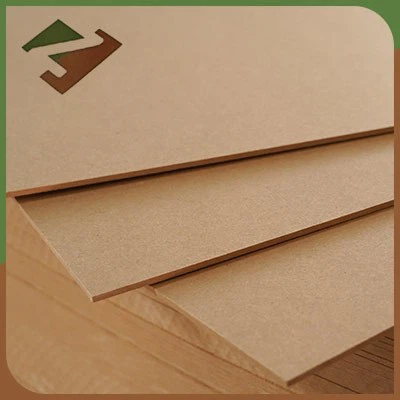
Before we dive into the sound insulation aspect, let's first understand what white color melamine MDF board is. MDF, or Medium Density Fiberboard, is an engineered wood product made by breaking down hardwood or softwood residuals into wood fibers, often in a defibrator, combining it with wax and a resin binder, and forming panels by applying high temperature and pressure. The result is a dense, uniform, and smooth board that is free from knots and other natural defects found in solid wood.
Melamine is a thermosetting plastic resin that is applied to the surface of the MDF board through a lamination process. This melamine layer not only provides a durable and scratch-resistant finish but also enhances the aesthetic appeal of the board, giving it a smooth, white surface that is easy to clean and maintain. The white color is particularly popular as it offers a clean and modern look that can complement a wide range of interior design styles.
Sound Insulation Basics
Sound insulation, also known as soundproofing, is the process of reducing the transmission of sound from one area to another. It is an important consideration in many applications, including residential buildings, commercial spaces, recording studios, and theaters. The effectiveness of sound insulation is measured in decibels (dB) and is influenced by several factors, including the density, thickness, and composition of the material.
Sound Insulation Performance of White Color Melamine MDF Board
The sound insulation performance of white color melamine MDF board is primarily determined by the properties of the MDF core. MDF is a relatively dense material, which means it has a higher mass per unit volume compared to other materials such as plywood or particleboard. This density helps to absorb and dampen sound waves, reducing their transmission through the board.
The thickness of the MDF board also plays a significant role in its sound insulation capabilities. Generally, thicker boards provide better sound insulation than thinner ones. This is because a thicker board has more mass, which requires more energy to vibrate and transmit sound waves. As a result, a 18mm thick white color melamine MDF board will offer better sound insulation than a 12mm or 3mm thick board.
In addition to density and thickness, the composition of the MDF board can also affect its sound insulation performance. Some MDF boards are manufactured with additives or treatments that enhance their acoustic properties. For example, some boards may contain sound-absorbing materials such as fiberglass or mineral wool, which can further improve their sound insulation capabilities.
Factors Affecting Sound Insulation Performance
While the density, thickness, and composition of the white color melamine MDF board are important factors in determining its sound insulation performance, there are other factors that can also have an impact. These include:
- Installation Method: The way the board is installed can significantly affect its sound insulation performance. Proper installation techniques, such as using acoustic sealants and ensuring a tight fit between the boards, can help to minimize sound leakage and improve the overall sound insulation of the system.
- Room Configuration: The size, shape, and layout of the room can also influence the sound insulation performance of the white color melamine MDF board. For example, a room with a lot of hard surfaces and sharp corners can cause sound waves to bounce around and reflect off the walls, increasing the overall noise level. On the other hand, a room with soft furnishings and curved surfaces can help to absorb and diffuse sound waves, reducing their transmission.
- Sound Source: The type and intensity of the sound source can also affect the sound insulation performance of the board. For example, low-frequency sounds, such as bass notes from a speaker, are more difficult to block than high-frequency sounds, such as voices or bird chirping. Therefore, the sound insulation requirements for a room with a high-intensity sound source, such as a recording studio or a nightclub, will be different from those for a residential living room.
Comparing White Color Melamine MDF Board with Other Materials
When it comes to sound insulation, white color melamine MDF board offers several advantages over other materials. Compared to solid wood, MDF is more uniform and consistent in its density, which means it provides more predictable sound insulation performance. Additionally, the smooth surface of the melamine layer helps to reduce sound reflection, further improving the overall sound insulation of the board.
Compared to plywood and particleboard, MDF is generally denser and has a higher mass per unit volume, which makes it more effective at absorbing and dampening sound waves. However, it is important to note that the sound insulation performance of these materials can vary depending on their specific composition and thickness.
Applications of White Color Melamine MDF Board for Sound Insulation
White color melamine MDF board is a versatile material that can be used in a variety of applications where sound insulation is required. Some common applications include:
- Interior Walls and Partitions: White color melamine MDF board can be used to construct interior walls and partitions in residential and commercial buildings. The sound insulation properties of the board can help to reduce noise transmission between rooms, creating a more peaceful and comfortable environment.
- Ceilings: The board can also be used to install suspended ceilings in offices, classrooms, and other public spaces. The smooth white surface of the melamine layer provides a clean and modern look, while the sound insulation properties of the MDF core help to reduce noise from above.
- Furniture: White color melamine MDF board is a popular choice for furniture making, particularly for cabinets, wardrobes, and bookshelves. The sound insulation properties of the board can help to reduce noise from inside the furniture, such as the opening and closing of doors and drawers.
- Recording Studios and Theaters: In recording studios and theaters, sound insulation is of utmost importance to ensure high-quality audio production and a comfortable viewing experience. White color melamine MDF board can be used to construct walls, ceilings, and partitions in these spaces, providing effective sound insulation and reducing unwanted noise.
Other Related Products
As a supplier of white color melamine MDF board, we also offer a range of other related products that may be of interest to you. These include Raw Face Sanded MDF Board, which is a versatile board with a smooth, sanded surface that is suitable for painting and other finishing applications. We also offer Wood Graine Melamine MDF Board, which provides the look of natural wood with the durability and uniformity of MDF. Additionally, our Raw Plain MDF Panel 18mm 12mm 3mm - Sheet 4x8 - Unfinished For Painting, DIY & Furniture Making is a cost-effective option for those who prefer to finish the board themselves.
Conclusion
In conclusion, white color melamine MDF board offers a combination of aesthetic appeal, durability, and sound insulation performance that makes it a popular choice for a wide range of applications. The density and thickness of the MDF core, along with the smooth melamine surface, contribute to its ability to absorb and dampen sound waves, reducing noise transmission and creating a more peaceful environment.
If you are interested in learning more about our white color melamine MDF board or any of our other products, please feel free to contact us. Our team of experts is available to answer your questions and provide you with the information you need to make an informed decision. Whether you are a contractor, designer, or DIY enthusiast, we are committed to providing you with high-quality products and excellent customer service.

References
- "Medium Density Fiberboard (MDF): A Comprehensive Guide." Woodworking Network.
- "Sound Insulation: Principles and Practices." Building Science Corporation.
- "Melamine Laminates: Properties and Applications." Plastics Technology.