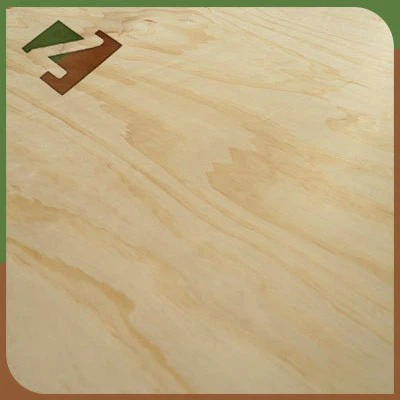
Hey there! I'm a supplier of Bleached Poplar Plywood, and today I wanna chat about one super important thing: the moisture content requirement for Bleached Poplar Plywood.
First off, let's get into why moisture content is such a big deal. You see, plywood is made up of multiple layers of wood veneers glued together. If the moisture content in these veneers isn't right, it can lead to all sorts of problems. For Bleached Poplar Plywood, which is known for its light - colored and smooth surface, the moisture content can affect its appearance, strength, and durability.
The ideal moisture content for Bleached Poplar Plywood usually ranges from 6% to 14%. Why this range? Well, if the moisture content is too low, say below 6%, the plywood can become brittle. The wood fibers dry out and shrink, which might cause the veneers to crack or separate from each other. This is a real headache because it not only ruins the aesthetic appeal of the plywood but also weakens its structural integrity. You don't want to use a piece of plywood that's gonna fall apart on you, right?
On the other hand, if the moisture content is too high, above 14%, the plywood is at risk of warping, swelling, and even mold growth. Warping makes the plywood uneven, which is a no - go for applications where a flat surface is crucial, like in cabinetry or furniture. Swelling can cause the plywood to expand, putting stress on the joints and fasteners. And mold? That's just a nightmare. It can not only damage the plywood but also pose health risks, especially in indoor environments.
Now, how do we ensure that the Bleached Poplar Plywood we supply meets these moisture content requirements? Well, it all starts with the sourcing of the raw materials. We carefully select high - quality poplar logs and make sure they are properly seasoned before being turned into veneers. Seasoning is the process of reducing the moisture content of the wood to an appropriate level. We use a combination of natural air - drying and kiln - drying methods.
Natural air - drying is a slow but effective way to let the wood gradually lose moisture. We stack the logs in a well - ventilated area, allowing the air to circulate around them. This can take several weeks or even months, depending on the climate and the size of the logs. However, it's a crucial step as it helps the wood adjust to the surrounding environment and reduces the risk of internal stresses that can lead to cracking or warping later on.
After air - drying, we move on to kiln - drying. Kilns are specially designed chambers where we can control the temperature, humidity, and airflow. By carefully adjusting these parameters, we can precisely reduce the moisture content of the veneers to the desired range. This process is faster than air - drying and allows us to produce consistent quality Bleached Poplar Plywood.
Once the veneers are dried to the right moisture content, we start the lamination process. We use high - quality adhesives to bond the veneers together. During this process, it's important to keep the environment stable to prevent any sudden changes in moisture content that could affect the bonding.


When it comes to the applications of Bleached Poplar Plywood, its moisture content requirements also play a role. For example, if it's going to be used in a high - humidity environment, like a bathroom or a kitchen, we might recommend a lower moisture content at the lower end of the 6% - 14% range. This helps the plywood better withstand the damp conditions and reduces the risk of swelling and mold growth.
On the other hand, for indoor applications in a relatively dry environment, such as a living room or an office, a slightly higher moisture content within the range might be acceptable. This can prevent the plywood from becoming too brittle and cracking over time.
Now, let me tell you a bit about some of the other types of plywood we offer. We also have Okoume Veneer Face Plywood. Okoume is a tropical hardwood known for its beautiful grain and light color. It's often used for decorative purposes, like in interior design and boat building. And then there's Pine Plywood for Furniture. Pine is a popular choice for furniture because it's strong, affordable, and easy to work with.
But if you're specifically interested in Bleached Poplar Plywood, you can see that we pay a lot of attention to the moisture content to ensure you get a high - quality product. Whether you're a furniture manufacturer, a contractor, or a DIY enthusiast, having the right moisture content in your plywood can make all the difference in the success of your project.
If you're thinking about purchasing Bleached Poplar Plywood or any of our other products, I'd love to have a chat with you. We can discuss your specific needs, the best moisture content for your application, and how we can provide you with the right product at a great price. Don't hesitate to reach out and start a conversation about your plywood requirements.
References
- Wood Handbook: Wood as an Engineering Material, Forest Products Laboratory
- Plywood Manufacturing and Technology, various industry publications