As a supplier of White Color Melamine MDF Board, I often encounter inquiries regarding the formaldehyde emission level of our products. Formaldehyde is a well - known chemical that has raised concerns in the construction and furniture industries due to its potential health impacts. In this blog, I will delve into the formaldehyde emission level of white color melamine MDF board, providing you with scientific and reliable information.
Understanding Melamine MDF Board
First, let's briefly introduce what melamine MDF board is. Medium - density fiberboard (MDF) is an engineered wood product made by breaking down hardwood or softwood residuals into wood fibers, often in a defibrator, combining it with wax and a resin binder, and forming panels by applying high temperature and pressure. Melamine MDF board is created by laminating a layer of melamine paper on the surface of the MDF. The melamine paper gives the board an attractive appearance, making it suitable for a wide range of applications, such as furniture manufacturing, interior decoration, and cabinetry.
Our White Color Melamine MDF Board is particularly popular for its clean and modern look. It can easily match different interior styles, whether it's a minimalist, Scandinavian, or contemporary design.
Formaldehyde in MDF Boards
Formaldehyde is commonly used in the resin binders during the manufacturing process of MDF boards. The resin, usually urea - formaldehyde resin, is essential for bonding the wood fibers together to form a strong and stable board. However, formaldehyde can be released into the air over time, which is a concern for indoor air quality.
The formaldehyde emission level of an MDF board is affected by several factors. The type and quality of the resin used play a crucial role. High - quality resins with a lower formaldehyde content will result in lower formaldehyde emissions. The manufacturing process also matters. Advanced production techniques can better control the curing of the resin, reducing the amount of free formaldehyde in the board. Additionally, the environmental conditions during storage and use, such as temperature and humidity, can influence the rate of formaldehyde release.
Measuring Formaldehyde Emission Levels
There are several international standards for measuring formaldehyde emission levels in wood - based panels. One of the most widely recognized standards is the European E - classification system. It classifies wood - based panels into different categories according to their formaldehyde emission levels:
- E1: The formaldehyde emission level is ≤ 1.5 mg/L. Panels in this category are considered to be suitable for indoor use and are widely accepted in the market.
- E2: The formaldehyde emission level is between 1.5 - 5.0 mg/L. Panels with this classification may require additional treatment or proper ventilation when used indoors.
Another important standard is the CARB (California Air Resources Board) regulations in the United States. CARB has set strict limits on formaldehyde emissions from composite wood products, including MDF. The Phase 2 standards of CARB require even lower formaldehyde emission levels than the E1 standard, aiming to protect public health and improve indoor air quality.
Formaldehyde Emission Level of Our White Color Melamine MDF Board
At our company, we are committed to providing high - quality products with low formaldehyde emissions. Our white color melamine MDF boards meet the strictest international standards. All of our products comply with the E1 standard, with most of them achieving even lower formaldehyde emission levels.
We use advanced production technology and high - quality resins with a low formaldehyde content. Our manufacturing process is carefully monitored to ensure that the resin is fully cured, minimizing the amount of free formaldehyde in the board. Before the products are shipped, they are rigorously tested in our in - house laboratory and by independent third - party testing institutions to guarantee their formaldehyde emission levels meet the standards.
Comparison with Other Types of MDF Boards
In addition to our White Color Melamine MDF Board, we also offer Wood Graine Melamine MDF Board and Raw Face Sanded MDF Board. All of these products have similar formaldehyde emission levels because we use the same high - quality materials and manufacturing processes across our product range.
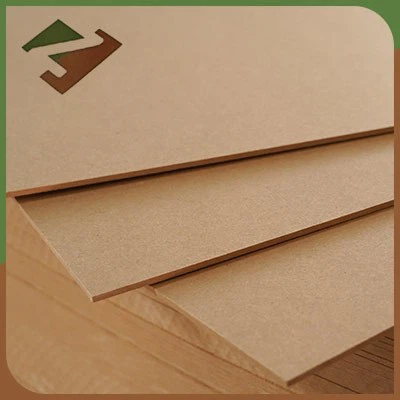
The wood graine melamine MDF board has a natural - looking wood grain pattern, which is popular for those who prefer a more traditional or rustic look. The raw face sanded MDF board, on the other hand, provides a smooth and unfinished surface, allowing for further customization, such as painting or veneering.
Health and Environmental Benefits of Low - Formaldehyde MDF Boards
Using MDF boards with low formaldehyde emission levels offers significant health and environmental benefits. For health, low - formaldehyde boards can reduce the risk of respiratory problems, allergies, and other health issues associated with formaldehyde exposure. This is especially important for indoor environments, such as homes, offices, and schools, where people spend a significant amount of time.
From an environmental perspective, low - formaldehyde MDF boards are more sustainable. They contribute to better indoor air quality, which in turn reduces the overall environmental impact on human health. Moreover, our MDF boards are made from recycled wood fibers, which helps to conserve natural resources.
Conclusion
In conclusion, the formaldehyde emission level of our white color melamine MDF board is well - controlled and meets the strictest international standards. We are dedicated to providing our customers with high - quality products that are not only aesthetically pleasing but also safe and environmentally friendly.
If you are interested in our White Color Melamine MDF Board, Wood Graine Melamine MDF Board, or Raw Face Sanded MDF Board, please feel free to contact us for more information or to start a purchase negotiation. We look forward to serving you and meeting your wood - based panel needs.

References
- European Committee for Standardization. (Year). EN standards for wood - based panels.
- California Air Resources Board. (Year). CARB regulations for composite wood products.