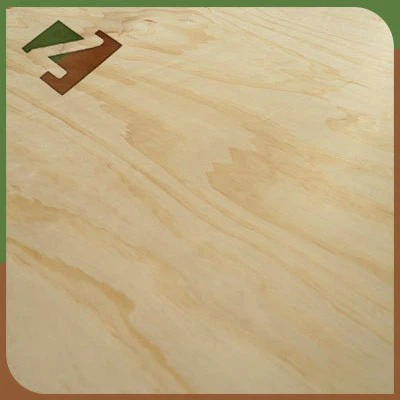
When it comes to the world of construction and furniture making, melamine plywood stands out as a versatile and popular choice. As a melamine plywood supplier, I've encountered numerous clients grappling with the decision of selecting the appropriate thickness for their projects. This blog aims to shed light on the crucial factors that should be taken into account when making this selection.
Intended Use
The primary consideration when choosing the thickness of melamine plywood is its intended use. Different applications demand different levels of strength, durability, and stability, all of which are directly related to the plywood's thickness.
Furniture Making
For furniture pieces such as cabinets, wardrobes, and bookshelves, the thickness of the melamine plywood plays a vital role in determining the overall structural integrity. For example, when constructing cabinet doors, a thinner plywood, typically around 6mm - 9mm, may suffice as it doesn't need to bear significant weight. However, for cabinet sides, backs, and shelves, a thicker plywood of 12mm - 18mm is recommended to ensure they can support the weight of the items stored inside. You can explore our Plywood 4x8 Feet 1220*2440mm Melamine Faced Furniture Board Two Side White Melamine Plywood 6mm 9mm 12mm 16mm18mm Cheap Price options to find the right thickness for your furniture project.
Flooring
In flooring applications, melamine plywood needs to withstand the constant foot traffic and the weight of furniture. A thickness of 18mm or more is usually required to provide sufficient strength and prevent sagging or cracking over time. Thicker plywood also helps to reduce noise transmission between floors, making it a practical choice for both residential and commercial buildings.
Wall Paneling
Wall paneling is often used for decorative purposes as well as to add insulation and soundproofing. For this application, a thinner plywood, such as 6mm - 9mm, can be used as it doesn't need to support heavy loads. However, if the wall is subject to impact or requires additional strength, a thicker plywood may be necessary.


Load-Bearing Requirements
Another critical factor to consider is the load-bearing capacity of the melamine plywood. The load can be either static or dynamic. Static loads refer to the weight of the objects that remain in place, such as furniture and stored items, while dynamic loads include the weight of people, moving equipment, and any other forces that may cause the plywood to bend or flex.
When calculating the load-bearing capacity, it's essential to consider the span of the plywood (the distance between the supports) and the type of support system used. A wider span will require a thicker plywood to prevent excessive deflection. Additionally, if the plywood is used in a structure where it will be subjected to heavy loads or impact, a higher grade of plywood with a greater thickness may be necessary. Our E0/E1 Grade Melamine Board Plywood 18mm Sheet 4x8 Eco-friendly For Furniture Cabinet is designed to meet high load-bearing requirements, making it suitable for various applications.
Environmental Conditions
The environmental conditions in which the melamine plywood will be used can also influence the choice of thickness. Factors such as humidity, temperature, and exposure to sunlight can affect the plywood's performance and durability.
Humidity
High humidity levels can cause the plywood to absorb moisture, leading to swelling, warping, and delamination. In areas with high humidity, such as bathrooms, kitchens, and basements, a thicker plywood with better moisture resistance is recommended. Additionally, using a melamine finish with a high gloss can provide an extra layer of protection against moisture. Check out our High Gloss Finish Melamine Plywood for enhanced moisture resistance.
Temperature
Extreme temperatures can also have an impact on the plywood's performance. In cold climates, the plywood may become brittle and more prone to cracking, while in hot climates, it may expand and warp. When selecting the thickness, it's important to consider the temperature range in which the plywood will be used and choose a product that can withstand these conditions.
Exposure to Sunlight
Prolonged exposure to sunlight can cause the melamine finish to fade and the plywood to deteriorate. If the plywood will be used in an area with direct sunlight, such as a patio or a sunroom, a thicker plywood with a UV-resistant finish may be necessary to protect it from damage.
Cost
Cost is always a consideration when making any purchasing decision. Thicker melamine plywood generally costs more than thinner plywood due to the additional materials and manufacturing processes involved. However, it's important to balance the cost with the quality and performance requirements of your project.
In some cases, using a thinner plywood may seem like a cost-effective option, but it may not provide the necessary strength and durability, leading to additional costs in the long run. On the other hand, using a thicker plywood that exceeds the requirements of your project may result in unnecessary expenses. Therefore, it's crucial to carefully evaluate your needs and choose the thickness that offers the best value for money.
Aesthetic Considerations
Finally, the aesthetic appearance of the melamine plywood can also play a role in the selection process. The thickness of the plywood can affect the overall look and feel of the finished product. Thicker plywood may give a more substantial and high-quality appearance, while thinner plywood can be used to create a more delicate and lightweight look.
Additionally, the melamine finish comes in a variety of colors, patterns, and textures, allowing you to choose a product that matches your design preferences. Whether you're looking for a modern, sleek finish or a more traditional wood grain look, there's a melamine plywood option available to suit your needs.
In conclusion, selecting the right thickness of melamine plywood requires careful consideration of several factors, including the intended use, load-bearing requirements, environmental conditions, cost, and aesthetic preferences. By taking these factors into account, you can ensure that you choose a product that meets your project's needs and provides long-lasting performance.
If you're interested in learning more about our melamine plywood products or have any questions about selecting the right thickness for your project, please don't hesitate to contact us for a consultation. Our team of experts is ready to assist you in making the best decision for your construction or furniture-making needs.
References
- Wood Handbook: Wood as an Engineering Material. Forest Products Laboratory.
- Plywood Design Specification. American Plywood Association.
- Building Codes and Standards for Construction Materials. Local Building Authorities.