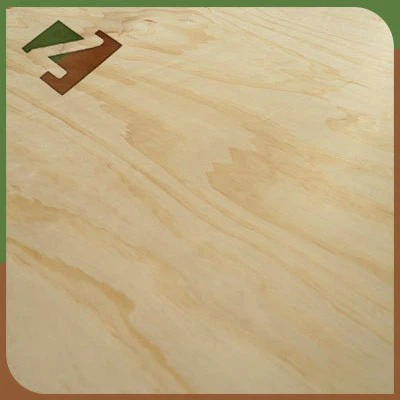
As a supplier of Bleached Poplar Plywood, I've had countless conversations with carpenters, DIY enthusiasts, and professional contractors about the qualities of this material. One question that frequently comes up is, "Is Bleached Poplar Plywood easy to work with?" In this blog post, I'll share my insights based on years of experience in the industry.
Physical Characteristics of Bleached Poplar Plywood
Bleached Poplar Plywood is crafted from poplar wood, which is known for its relatively light weight. This makes it significantly easier to handle compared to some denser hardwood plywoods. When you're working on a project, whether it's a small home - decor piece or a large - scale construction, the weight of the material can have a huge impact on the ease of work. You can move sheets of Bleached Poplar Plywood around the workspace without straining your back or needing heavy - duty equipment for every movement.
The bleaching process gives the plywood a uniform, light - colored appearance. This not only adds an aesthetic appeal but also provides a clean canvas for various finishing options. Whether you plan to paint it, stain it, or leave it with a clear finish, the bleached surface takes treatments well.
Cutting and Shaping
One of the most crucial aspects of working with any plywood is how it performs during cutting and shaping. Bleached Poplar Plywood scores high in this regard. Its grain structure is relatively straight and consistent, which means that when you use a saw, the cut is clean and smooth. You're less likely to encounter splintering or tear - outs that can ruin the edges of your project.
For hand - held circular saws, the plywood cuts through easily with minimal resistance. The same goes for table saws. If you're using a jigsaw for more intricate cuts, the poplar plywood allows for precise maneuvering. You can create curves, angles, and custom shapes with relative ease. This is a huge advantage, especially for those who are working on detailed projects like cabinetry or decorative panels.
In comparison, some other types of plywood, such as Okoume Veneer Face Plywood, might have a more irregular grain pattern that can make cutting a bit more challenging. The Okoume veneer can sometimes splinter more easily, requiring extra care and perhaps a different blade type.
Joining and Assembly
When it comes to joining pieces of Bleached Poplar Plywood together, it offers great versatility. You can use nails, screws, or glue, and in each case, the plywood responds well.
Nailing is straightforward. The wood is soft enough to allow nails to penetrate easily without splitting. You can use a nail gun for quick and efficient assembly, or traditional hand - nailing for more precision. Screws also hold well in the plywood. The threads grip the wood firmly, providing a strong joint. Whether you're building a simple box or a complex furniture piece, the joints formed with screws in Bleached Poplar Plywood are reliable.
Glue is another excellent option for joining. The smooth surface of the bleached plywood allows for good adhesion. When you use a wood glue, the bond is strong, and you can create seamless joints. This is particularly useful for projects where a tight fit and a strong bond are essential, such as in the construction of cabinets or bookshelves.
In contrast, Pine CDX Grade Plywood can be a bit more difficult to join. The CDX grade often has a rougher surface and may contain knots. These knots can interfere with the nailing, screwing, or gluing process, making it harder to achieve a clean and strong joint.
Finishing
As mentioned earlier, the bleached surface of the plywood is a great starting point for finishing. Painting is a popular choice, and the plywood takes paint evenly. You can achieve a smooth, professional - looking finish with just a few coats. The light color of the bleached wood also means that you can use a wider range of paint colors without having to worry about the underlying color bleeding through.
Staining is another option. The wood absorbs stain well, enhancing its natural grain pattern. You can choose from a variety of stain colors to achieve the desired look, whether it's a light, natural tone or a darker, more dramatic finish.
If you prefer a clear finish to showcase the wood's natural beauty, the bleached surface looks stunning. A clear varnish or polyurethane can be applied to protect the wood and give it a glossy or matte finish, depending on your preference.


Durability and Long - Term Performance
Bleached Poplar Plywood offers a good balance between workability and durability. While it's not as hard as some hardwood plywoods, it is still strong enough for many applications. In indoor projects, such as furniture, cabinetry, and wall paneling, it can last for a long time with proper care.
It's important to note that the bleaching process doesn't significantly compromise the plywood's strength. The layers of veneer are glued together under high pressure, creating a sturdy structure. However, if you're planning to use it in outdoor applications, it's advisable to treat it with a waterproofing agent to protect it from moisture and the elements.
Cost - Effectiveness
From a cost perspective, Bleached Poplar Plywood is an attractive option. It is generally more affordable than some high - end hardwood plywoods, while still offering good quality and workability. This makes it a popular choice for both professional contractors on a budget and DIYers looking to complete projects without breaking the bank.
Conclusion
In conclusion, Bleached Poplar Plywood is indeed easy to work with. Its light weight, clean cutting, versatile joining options, excellent finishing capabilities, and cost - effectiveness make it a top choice for a wide range of projects. Whether you're a seasoned professional or a beginner in the world of woodworking, you'll find that working with Bleached Poplar Plywood is a rewarding experience.
If you're interested in purchasing Bleached Poplar Plywood for your next project, I encourage you to reach out for more information and to discuss your specific requirements. We can provide you with samples, answer any questions you may have, and help you make the best decision for your project.
References
- Wood Handbook: Wood as an Engineering Material, Forest Products Laboratory
- Plywood Manufacturing and Technology, various industry publications