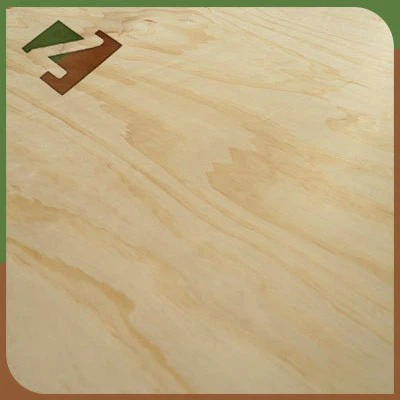
Hey there! I'm a supplier of Beech Veneer Face Plywood, and today I want to dig into a topic that's super important for anyone dealing with this kind of wood product: Is Beech Veneer Face Plywood affected by humidity changes?
First off, let me give you a bit of background. Beech Veneer Face Plywood is a popular choice in the woodworking industry. It combines the strength and stability of plywood with the natural beauty of beech veneer. You can check out more about it on our website Beech Veneer Face Plywood. It's used in a wide range of applications, from furniture making to interior decoration.
Now, let's talk about humidity. Humidity is basically the amount of water vapor in the air. And it can have a big impact on wood products like our Beech Veneer Face Plywood. Wood is a hygroscopic material, which means it can absorb and release moisture depending on the surrounding environment.
When the humidity is high, the plywood tends to absorb moisture from the air. This can cause the wood to swell. You might notice that the plywood becomes a bit thicker, and in some cases, it can even warp or buckle. Warping is when the plywood bends out of shape, and buckling is when it forms ridges or bumps. This is not only a cosmetic issue but can also affect the structural integrity of the plywood. For example, if you're using it for a cabinet, the doors might not fit properly anymore.
On the other hand, when the humidity is low, the plywood releases moisture. This causes the wood to shrink. Just like swelling, shrinking can also lead to problems. The plywood might crack or split, especially at the edges. And if you've joined pieces of plywood together, the joints might come loose.
So, how does Beech Veneer Face Plywood specifically react to these humidity changes? Well, beech wood has its own characteristics. It's a relatively dense hardwood, which means it's less likely to absorb and release moisture compared to some softer woods. However, it's still not immune to the effects of humidity.


The veneer on the face of the plywood is especially vulnerable. Since it's a thin layer, it can react more quickly to humidity changes. If the veneer swells or shrinks too much, it can delaminate from the plywood core. Delamination is when the veneer separates from the core, and it's a major problem because it ruins the appearance and functionality of the plywood.
To give you an idea of how significant these changes can be, let's look at some real - world examples. In a coastal area where the humidity is consistently high, Beech Veneer Face Plywood used for outdoor furniture might start to show signs of swelling and warping within a few months. On the other hand, in a dry climate like a desert, the plywood used for indoor paneling could crack after a long, dry season.
But don't worry, there are ways to minimize the impact of humidity on Beech Veneer Face Plywood. One of the most effective methods is to control the environment where the plywood is used. For example, in a home or office, you can use a humidifier or dehumidifier to keep the humidity at a stable level. A relative humidity of around 30 - 50% is generally considered ideal for wood products.
Another option is to apply a protective finish to the plywood. There are various types of finishes available, such as varnish, lacquer, or oil. These finishes create a barrier between the wood and the air, reducing the amount of moisture that can be absorbed or released. However, it's important to note that the finish needs to be reapplied periodically to maintain its effectiveness.
Now, let's compare Beech Veneer Face Plywood with another popular type of veneer plywood, Birch Veneer Face Plywood. Birch is also a hardwood, but it has a different structure and composition compared to beech. Birch is generally more porous than beech, which means it can absorb and release moisture more easily. So, in a high - humidity environment, birch veneer plywood might be more prone to swelling and warping than beech veneer plywood. But in a low - humidity environment, the difference might not be as significant.
As a supplier, I've seen firsthand the importance of understanding how humidity affects our products. We always recommend our customers to take proper precautions when using Beech Veneer Face Plywood. Whether it's for a small DIY project or a large - scale construction, being aware of the humidity conditions and taking steps to control them can make a big difference in the longevity and performance of the plywood.
If you're in the market for Beech Veneer Face Plywood, I encourage you to reach out to us for more information. We can provide you with detailed specifications about how our plywood performs under different humidity conditions. And we can also offer advice on how to protect it. Whether you're a furniture maker, a contractor, or a DIY enthusiast, we're here to help you make the most of our products.
In conclusion, Beech Veneer Face Plywood is definitely affected by humidity changes. But with proper care and environmental control, you can minimize these effects and ensure that your plywood lasts for a long time. So, don't let humidity scare you away from using this beautiful and versatile material.
References
- Wood Handbook: Wood as an Engineering Material. Forest Products Laboratory.
- Understanding Wood: A Craftsman's Guide to Wood Technology. R. Bruce Hoadley.