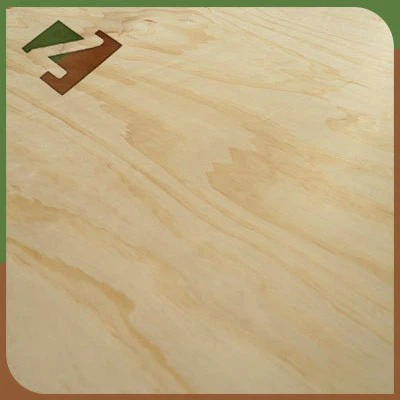
Hey there! As a supplier of HMR high moisture proof MDF, I've had my fair share of experiences dealing with the ins and outs of this awesome material. One of the most common questions I get from customers is how to achieve a smoother surface on HMR high moisture proof MDF. Well, you're in luck because I'm about to spill the beans on some tried-and-true methods that'll help you get that flawless finish you've been dreaming of.


First things first, let's talk about what HMR high moisture proof MDF is all about. It's a type of medium-density fiberboard that's specifically designed to resist moisture. This makes it a great choice for areas where humidity is a concern, like kitchens, bathrooms, and laundry rooms. But even though it's tough and durable, getting a smooth surface on HMR MDF can still be a bit of a challenge.
Preparation is Key
Before you start sanding or applying any finishes, it's important to prepare the surface of the HMR MDF properly. This means cleaning it thoroughly to remove any dust, dirt, or debris. You can use a damp cloth or a mild cleaner to do this. Just make sure to dry the surface completely before moving on to the next step.
Once the surface is clean, you'll want to fill any holes or imperfections with wood filler. This will help create a more even surface and make it easier to sand. Apply the wood filler with a putty knife, following the manufacturer's instructions. Let it dry completely, and then sand it smooth with fine-grit sandpaper.
Sanding Techniques
Sanding is one of the most important steps in achieving a smooth surface on HMR MDF. It helps remove any rough spots, splinters, or uneven areas, and it also prepares the surface for finishing. When sanding HMR MDF, it's important to use the right sandpaper grit. Start with a coarse grit, like 80 or 100, to remove any major imperfections. Then, gradually work your way up to a finer grit, like 180 or 220, for a smoother finish.
When sanding, make sure to sand in the direction of the wood grain. This will help prevent scratches and ensure a more even finish. You can use a hand sander or a power sander, depending on the size of the project. Just be careful not to sand too aggressively, as this can damage the surface of the MDF.
Applying a Primer
Once you've sanded the surface smooth, it's time to apply a primer. A primer helps seal the surface of the MDF and provides a better base for the finish. It also helps prevent the finish from soaking into the wood and causing uneven color or texture.
There are several types of primers available for HMR MDF, including oil-based, water-based, and shellac-based primers. Choose a primer that's compatible with the finish you'll be using. Apply the primer with a brush or a roller, following the manufacturer's instructions. Let it dry completely before applying the finish.
Choosing the Right Finish
The type of finish you choose will depend on the look and feel you want to achieve. There are several options available, including paint, stain, and varnish.
- Paint: Paint is a popular choice for HMR MDF because it provides a durable, protective finish. It also comes in a wide range of colors and finishes, so you can choose the one that best suits your style. When painting HMR MDF, it's important to use a high-quality paint that's designed for use on wood. Apply the paint in thin, even coats, and let it dry completely between coats.
- Stain: Stain is a great option if you want to enhance the natural beauty of the wood. It comes in a variety of colors and finishes, from light and natural to dark and rich. When staining HMR MDF, it's important to choose a stain that's compatible with the wood and the finish you'll be using. Apply the stain with a brush or a cloth, following the manufacturer's instructions. Let it dry completely before applying a topcoat.
- Varnish: Varnish is a clear, protective finish that adds a glossy or satin sheen to the wood. It's a popular choice for HMR MDF because it provides a durable, long-lasting finish. When varnishing HMR MDF, it's important to use a high-quality varnish that's designed for use on wood. Apply the varnish in thin, even coats, and let it dry completely between coats.
Tips and Tricks
Here are some additional tips and tricks to help you achieve a smoother surface on HMR high moisture proof MDF:
- Use a sanding block: A sanding block helps keep the sandpaper flat and even, which results in a smoother finish. You can make your own sanding block by attaching sandpaper to a piece of wood or foam.
- Sand between coats: Sanding between coats of paint, stain, or varnish helps remove any dust or debris that may have settled on the surface. It also helps smooth out any rough spots or uneven areas.
- Apply thin coats: Applying thin, even coats of paint, stain, or varnish helps prevent drips, runs, and bubbles. It also allows the finish to dry more evenly and results in a smoother finish.
- Let the finish dry completely: Make sure to let the finish dry completely between coats and before using the finished product. This will help ensure a durable, long-lasting finish.
Conclusion
Achieving a smoother surface on HMR high moisture proof MDF takes a little time and effort, but it's definitely worth it. By following these tips and techniques, you can create a beautiful, professional-looking finish that will last for years to come.
If you're interested in purchasing Melamine Face HMR MDF Board or Green HMR MDF Board, or if you have any questions about HMR high moisture proof MDF, please don't hesitate to contact me. I'd be happy to help you find the right product for your project and provide you with any additional information you may need.
References
- Woodworking magazines and online forums
- Manufacturer's instructions for HMR MDF, wood filler, primer, paint, stain, and varnish