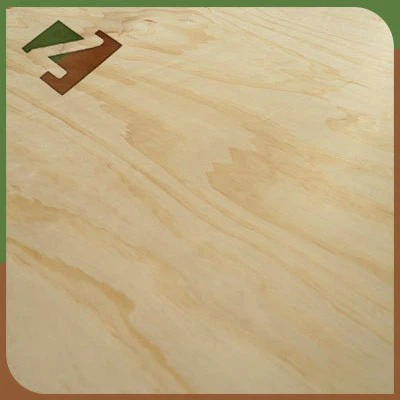
Hey there, fellow wood - lovers! As a supplier of Birch Veneer Face Plywood, I've spent a ton of time diving deep into all the aspects of this amazing product. Today, I wanna chat about how the veneer thickness of Birch Veneer Face Plywood affects its appearance.
Let's start with the basics. Birch veneer face plywood is a popular choice in the woodworking industry. You can check out more about it on our website: Birch Veneer Face Plywood. It combines the strength of plywood with the natural beauty of birch wood veneer on the surface. And just like with any other wood product, the thickness of that veneer plays a huge role in how the final piece looks.
Thin Veneer: A Delicate and Subtle Look
When we're talking about thin veneers, we're usually referring to those with a thickness of around 0.2 - 0.6 mm. These thin veneers offer a very delicate and subtle appearance. The wood grain shows through, but it's toned down a bit.
One of the main advantages of thin veneers in terms of appearance is that they can give a very smooth and refined look. The thin layer of veneer adheres really well to the plywood core, creating a seamless surface. It's like a soft whisper of wood grain across the panel. This makes it a great choice for applications where you want a more understated look, like in some modern - style furniture or in interior wall paneling in minimalist spaces.
For example, in a modern bedroom with a mostly white color scheme, a dresser made with a thin - veneered Birch Veneer Face Plywood would add a touch of natural warmth and texture without overpowering the clean aesthetic. The thin veneer allows the overall design of the furniture to shine, while the wood grain provides just enough visual interest.


However, there are also some drawbacks. Thin veneers can be more prone to showing scratches and wear. Since they're so thin, any minor abrasion can potentially reach the plywood core, which might not look as good. And in some cases, if the plywood beneath has any imperfections, the thin veneer may not be thick enough to completely cover them, which can affect the overall appearance.
Medium - Thickness Veneer: A Balanced Aesthetic
Moving on to medium - thickness veneers, typically ranging from 0.6 - 1.5 mm. This is kind of the sweet spot for a lot of applications. The medium thickness offers a good balance between showing off the beauty of the wood grain and providing durability.
The wood grain on a medium - thickness veneer is more pronounced compared to a thin veneer. You can really see the unique patterns and characteristics of the birch wood. It gives the plywood a more rustic and natural look, which is perfect for traditional or country - style furniture. A dining table made with medium - thickness Birch Veneer Face Plywood will have a rich, warm appearance that enhances the dining experience.
In terms of coverage, medium - thickness veneers do a better job of hiding any minor imperfections in the plywood core. They're also more resistant to scratches and wear compared to thin veneers. This means that the plywood will maintain its good looks for a longer period of time, making it a great investment for both residential and commercial projects.
Thick Veneer: A Bold and Dramatic Statement
Thick veneers, usually 1.5 mm or more, make a bold and dramatic statement. The wood grain is very prominent on thick veneers, and you can really appreciate the natural beauty and character of the birch wood. Every knot, swirl, and growth ring is clearly visible, giving the plywood a unique and one - of - a - kind appearance.
Furniture made with thick - veneered Birch Veneer Face Plywood becomes a focal point in any room. A thick - veneer coffee table, for example, can become the centerpiece of a living room, drawing attention with its rich texture and natural elegance. The thickness also allows for more detailed machining and finishing. You can achieve deeper stains and more pronounced grain patterns, further enhancing the visual appeal.
But thick veneers also come with some challenges. They're more expensive, as they require more raw material. And they can be a bit more difficult to work with, especially when it comes to bending the plywood since the thick veneer has less flexibility.
It's also important to mention that just like with Birch Veneer Face Plywood, Beech Veneer Face Plywood also offers different aesthetic options based on veneer thickness. However, the natural grain and color of beech are different from birch, so it's worth exploring both to see which suits your project best.
If you're looking for a high - quality option, we also have FSC Certified Birch Veneer Plywood - Multi - layer Anti - deformation E0/E1/WBP Glue 3 - 30mm. This product combines environmental friendliness with excellent performance and appearance.
So, whether you're a furniture maker, an interior designer, or just someone looking to do a DIY project at home, understanding how the veneer thickness of Birch Veneer Face Plywood affects its appearance is crucial. It can help you make the right choice for your specific needs.
If you're interested in purchasing Birch Veneer Face Plywood or have any questions about veneer thickness, appearance, or any other aspect of our products, don't hesitate to reach out. We're here to help you find the perfect plywood for your project and ensure that you achieve the look you've always wanted.
References
- Wood Handbook: Wood as an Engineering Material, Forest Products Laboratory
- Plywood Manufacturing and Applications, various industry publications