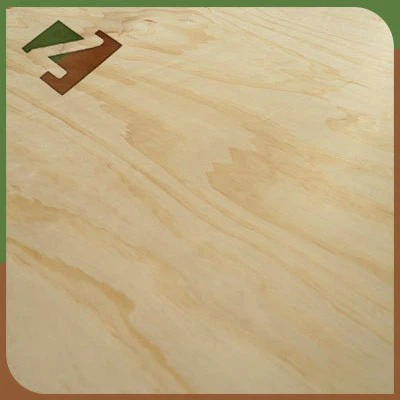
As a supplier of Birch Veneer Face Plywood, I've witnessed firsthand the critical role that moisture content plays in the performance of this versatile building material. In this blog post, I'll delve into how the moisture content of Birch Veneer Face Plywood affects its performance, exploring both the positive and negative impacts.
Understanding Moisture Content in Birch Veneer Face Plywood
Moisture content refers to the amount of water present in a material, expressed as a percentage of the material's dry weight. For Birch Veneer Face Plywood, the ideal moisture content typically ranges between 6% and 12%, depending on the specific application and environmental conditions. This range ensures that the plywood remains stable, durable, and resistant to various forms of damage.
Impact on Dimensional Stability
One of the most significant ways in which moisture content affects Birch Veneer Face Plywood is its impact on dimensional stability. Wood is a hygroscopic material, meaning it absorbs and releases moisture from the surrounding environment. When the moisture content of the plywood changes, the wood fibers expand or contract, causing the plywood to warp, twist, or cup.
If the moisture content is too high, the plywood may swell and become distorted, leading to problems such as uneven surfaces, gaps between panels, and difficulty in installation. On the other hand, if the moisture content is too low, the plywood may shrink and crack, compromising its structural integrity and aesthetic appeal.
To ensure dimensional stability, it's essential to control the moisture content of the plywood during both the manufacturing process and storage. This can be achieved through proper drying techniques, such as kiln drying, and by storing the plywood in a controlled environment with a consistent temperature and humidity level.
Impact on Strength and Durability
Moisture content also has a significant impact on the strength and durability of Birch Veneer Face Plywood. When the moisture content is within the ideal range, the wood fibers are strong and flexible, allowing the plywood to withstand heavy loads and resist damage from impact, bending, and shear forces.
However, if the moisture content is too high, the plywood may become weak and prone to decay, as the excess moisture provides a favorable environment for the growth of fungi and bacteria. This can lead to structural damage, such as rot and mold, and reduce the lifespan of the plywood.
Conversely, if the moisture content is too low, the plywood may become brittle and prone to cracking, as the wood fibers lose their flexibility and become more susceptible to damage. This can also reduce the strength and durability of the plywood, making it less suitable for applications that require high levels of performance.
To ensure the strength and durability of Birch Veneer Face Plywood, it's important to maintain the moisture content within the ideal range and to protect the plywood from exposure to excessive moisture and humidity. This can be achieved through proper installation techniques, such as using waterproof adhesives and sealants, and by providing adequate ventilation and drainage in areas where the plywood is installed.
Impact on Appearance
In addition to its impact on dimensional stability and strength, moisture content can also affect the appearance of Birch Veneer Face Plywood. When the moisture content is too high, the plywood may develop dark spots, stains, or discoloration, as the excess moisture causes the wood fibers to break down and release tannins and other organic compounds.
On the other hand, if the moisture content is too low, the plywood may become dry and dull, losing its natural luster and beauty. This can make the plywood less attractive and less suitable for applications where appearance is important, such as furniture making and interior design.
To maintain the appearance of Birch Veneer Face Plywood, it's important to control the moisture content and to protect the plywood from exposure to excessive moisture and humidity. This can be achieved through proper finishing techniques, such as applying a clear coat or stain, and by avoiding direct contact with water and other liquids.
Impact on Adhesion
Another important factor to consider when it comes to the moisture content of Birch Veneer Face Plywood is its impact on adhesion. When the moisture content is too high, the plywood may not bond properly with adhesives, as the excess moisture can prevent the adhesive from curing properly and forming a strong bond.
This can lead to problems such as delamination, where the veneer layer separates from the core layer of the plywood, and reduced strength and durability. On the other hand, if the moisture content is too low, the plywood may absorb the adhesive too quickly, causing it to dry out and become brittle before it has a chance to form a strong bond.
To ensure proper adhesion, it's important to control the moisture content of the plywood and to use adhesives that are specifically designed for use with wood. This can help to ensure that the adhesive cures properly and forms a strong, durable bond between the veneer layer and the core layer of the plywood.
Conclusion
In conclusion, the moisture content of Birch Veneer Face Plywood plays a critical role in its performance, affecting its dimensional stability, strength, durability, appearance, and adhesion. As a supplier of Birch Veneer Face Plywood, I understand the importance of controlling the moisture content to ensure that our products meet the highest standards of quality and performance.
If you're in the market for high-quality Birch Veneer Face Plywood, I encourage you to contact us to learn more about our products and how we can help you meet your specific needs. We offer a wide range of Birch Veneer Face Plywood products, including Birch Veneer Face Plywood and Beech Veneer Face Plywood, and we're committed to providing our customers with the best possible products and services.


References
- American Plywood Association. (n.d.). Moisture and Wood Products. Retrieved from https://www.plywood.apa.org/tech-info/moisture.aspx
- Forest Products Laboratory. (2010). Wood Handbook: Wood as an Engineering Material. Madison, WI: U.S. Department of Agriculture, Forest Service.
- National Wood Flooring Association. (n.d.). Moisture Management in Wood Flooring. Retrieved from https://www.nwfa.org/technical-resources/moisture-management/