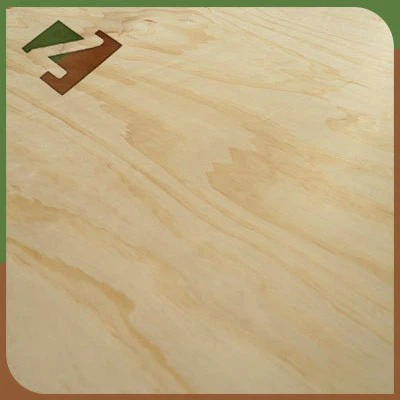
As a supplier of Raw Face Sanded MDF Board, I often encounter questions from customers regarding the gluing capabilities of our product. In this blog post, I'll delve into the details of whether a raw face sanded MDF board can be glued, exploring various aspects such as the nature of MDF, types of glue suitable for it, and the factors that influence the gluing process.
Understanding Raw Face Sanded MDF Board
MDF, or Medium - Density Fiberboard, is an engineered wood product made by breaking down hardwood or softwood residuals into wood fibers. These fibers are combined with wax and resin binders and then compressed under high temperature and pressure to form panels. The "raw face sanded" aspect indicates that the surface of the MDF board has been sanded but has not received any additional finishes like paint, veneer, or melamine coating.
Sanding is a crucial step in MDF production as it provides a smooth and uniform surface. This smooth surface is beneficial for gluing, as it allows for better contact between the glue and the board. Moreover, the porous nature of the sanded MDF surface can absorb the glue, which helps create a strong bond.
Can Raw Face Sanded MDF Board be Glued?
The short answer is yes, a raw face sanded MDF board can be glued. In fact, its sanded surface makes it quite suitable for gluing operations. The key to successful gluing lies in choosing the right type of glue and following the proper application techniques.
Types of Glues Suitable for MDF
- PVA Glue: Polyvinyl Acetate (PVA) glue is one of the most commonly used adhesives for MDF. It is water - based, easy to apply, and dries clear. PVA glue creates a strong bond, especially when used for joining MDF pieces together. It is also relatively inexpensive and widely available. However, it may not be the best choice for applications where the glued joint will be exposed to moisture, as it can lose its strength in wet conditions.
- Epoxy Glue: Epoxy glue consists of two components - a resin and a hardener. When mixed together, they create a strong, durable bond. Epoxy glue is resistant to water, chemicals, and heat, making it suitable for a wide range of applications. For MDF, epoxy can be used for bonding MDF to other materials such as metal, plastic, or wood. It provides excellent adhesion, but it can be more expensive and has a shorter working time compared to PVA glue.
- Urea - Formaldehyde Glue: This type of glue is often used in the manufacturing process of MDF itself. It has good bonding strength and is relatively affordable. However, it releases formaldehyde, which is a potential health hazard. When using urea - formaldehyde glue for bonding MDF, proper ventilation is essential to minimize exposure to the fumes.
Factors Affecting the Gluing Process
- Surface Cleanliness: Before gluing, the sanded surface of the MDF board must be clean and free from dust, dirt, and grease. Even a small amount of contamination can reduce the effectiveness of the glue. A simple wipe down with a clean, dry cloth can usually suffice. In some cases, using a mild cleaner and then rinsing and drying the surface thoroughly is recommended.
- Glue Application: The amount of glue applied is crucial. Applying too little glue may result in a weak bond, while applying too much can cause excess squeeze - out, which may require additional cleanup. The glue should be spread evenly over the surface using a brush, roller, or other appropriate applicators.
- Pressure and Clamping: Applying pressure to the glued joint helps the glue penetrate the MDF surface and create a stronger bond. Clamps can be used to hold the pieces together until the glue dries. The pressure should be evenly distributed across the joint to ensure uniform bonding. The clamping time depends on the type of glue used, but it typically ranges from a few minutes to several hours.
- Environmental Conditions: Temperature and humidity can significantly affect the gluing process. Most glues work best within a specific temperature range, usually between 15 - 30°C (59 - 86°F). High humidity can slow down the drying time of water - based glues, while low humidity can cause the glue to dry too quickly. It is important to follow the manufacturer's instructions regarding the ideal environmental conditions for the glue.
Applications of Glued Raw Face Sanded MDF
The ability to glue raw face sanded MDF boards opens up a wide range of applications.
- Furniture Making: MDF is a popular choice for furniture manufacturing due to its smooth surface and consistent quality. Gluing MDF pieces together allows for the creation of complex furniture designs. For example, drawers, cabinets, and tables can be assembled using glued MDF components. Customers can further enhance the appearance of the furniture by applying finishes such as paint or veneer.
- Interior Decoration: In interior decoration, glued MDF can be used for creating wall panels, moldings, and decorative elements. The smooth surface of the sanded MDF provides an ideal base for painting, which can match any interior design style.
- Craft Projects: DIY enthusiasts often use MDF for various craft projects. Gluing MDF pieces allows for the creation of unique and personalized items such as picture frames, jewelry boxes, and small sculptures.
Our Product Offerings
As a supplier of Raw Face Sanded MDF Board, we also offer a variety of related products. For those looking for a more finished look, we have Premium Melamine Faced MDF Sheet 4x8 (Sync - Texture & Smooth Finish) Factory Direct Sale. These sheets combine the strength of MDF with the aesthetic appeal of melamine, which comes in a variety of textures and colors.
We also provide White Color Melamine MDF Board and Wood Graine Melamine MDF Board. These boards are pre - finished, eliminating the need for additional painting or finishing work. They are ideal for applications where a quick and cost - effective solution is required.
Conclusion
In conclusion, a raw face sanded MDF board can indeed be glued successfully. By understanding the nature of MDF, choosing the right type of glue, and following the proper gluing techniques, users can achieve strong and durable bonds. Whether you are a furniture manufacturer, an interior decorator, or a DIY enthusiast, our Raw Face Sanded MDF Board and related products can meet your needs.


If you are interested in our products or have any questions regarding gluing or other aspects of MDF, feel free to contact us for procurement negotiations. We look forward to working with you to bring your projects to life.
References
- "Wood Adhesives: Chemistry and Technology" by Dexter E. Jeffrey
- "Engineering Wood Products Handbook" by John E. Bodig and Bruce A. Jayne