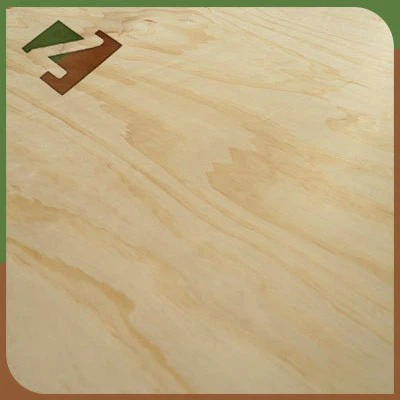
Hey there! As a plywood supplier, I often get asked if plywood can be cut easily. Well, the answer isn't as straightforward as you might think. In this blog, I'm gonna break down the factors that affect how easy it is to cut plywood and give you some tips to make the process smoother.
What Makes Plywood Cuttable?
First off, let's talk about what plywood is. It's made by gluing together thin layers of wood veneer, with each layer's grain running perpendicular to the adjacent ones. This cross - grain construction gives plywood its strength and stability. But how does it impact cutting?
The type of wood used in the plywood is a major factor. Some woods are softer and easier to cut than others. For example, FSC Certified Okoume Veneer Plywood - Multi - layer Anti - deformation E0/E1/WBP Glue 3 - 30mm is made from okoume wood, which is relatively soft. This means it can be cut with less effort compared to harder woods like oak or maple.
The thickness of the plywood also plays a role. Thinner plywood, say 3 - 6mm, is much easier to cut than thicker ones like 18mm or 25mm. With thinner plywood, you can use a handheld jigsaw or a utility knife for simple cuts. For instance, if you're working on a small DIY project like making a picture frame, a 3mm sheet of plywood can be cut quickly and cleanly.
On the other hand, thicker plywood requires more powerful tools. A circular saw or a table saw is usually the go - to for cutting 18mm or thicker plywood. For example, 18MM BIRCH PLYWOOD THROUGHOUT BB/BB 2440MM X 1220MM (8X 4) FSC is a popular choice for furniture making, but you'll need a good saw to make precise cuts.
Tools for Cutting Plywood
The right tools are essential for easy cutting. Here are some common tools and how they work with plywood:
Utility Knife
This is great for scoring thin plywood. You can use it to make a shallow cut along the line you want to cut, and then snap the plywood along the scored line. It's a simple and inexpensive way to get clean cuts on thin sheets.
Jigsaw
A jigsaw is versatile and can be used for both straight and curved cuts. It's a good option for cutting thinner plywood and for making custom shapes. Just make sure to use a fine - tooth blade for a smoother cut.
Circular Saw
This is a powerful tool for cutting straight lines on plywood. It can handle thicker plywood with ease. You can adjust the depth of the blade to match the thickness of the plywood, which helps in getting a clean cut.
Table Saw
If you're doing a lot of cutting, a table saw is a great investment. It provides more stability and accuracy than a circular saw. You can set up a fence to guide the plywood, ensuring straight and consistent cuts.


Tips for Easy Cutting
- Choose the Right Blade: The blade you use can make a big difference. For plywood, a fine - tooth blade is usually the best choice. It will give you a cleaner cut and reduce the chance of splintering.
- Mark Your Cuts Clearly: Use a straightedge and a pencil to mark the lines you want to cut. This will help you stay on track and make more accurate cuts.
- Support the Plywood: When cutting, make sure the plywood is well - supported. This will prevent it from vibrating or moving, which can lead to uneven cuts.
- Take Your Time: Rushing through the cutting process can result in mistakes. Take your time to line up the blade and make smooth, steady cuts.
Special Considerations for Different Types of Plywood
Some plywood has special features that can affect cutting. For example, Premium Melamine Plywood Panel - Moisture Proof, Heat - resistant, E0 Grade has a melamine coating. This coating is hard and can cause the blade to wear out faster. You might need to use a carbide - tipped blade to cut through it without damaging the panel.
Plywood with a high - quality finish also requires more care. You don't want to scratch or chip the finish during cutting. To avoid this, you can use masking tape along the cut line to protect the surface.
Conclusion
So, can plywood be cut easily? Well, it depends on several factors like the type of wood, thickness, and the tools you use. With the right tools and techniques, you can cut plywood relatively easily, whether you're a DIY enthusiast or a professional woodworker.
If you're interested in purchasing plywood for your next project, feel free to reach out. We offer a wide range of plywood products, including those mentioned in this blog. Our team is always ready to help you choose the right plywood and answer any questions you might have. Don't hesitate to contact us for a quote or to discuss your specific requirements. Let's get your project started with the best plywood!
References
- Woodworking magazines and online forums
- Manufacturer's guides for plywood products
- Personal experience as a plywood supplier