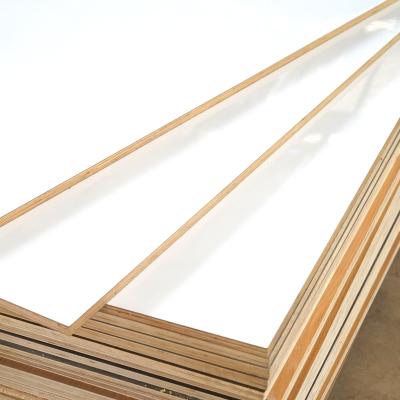
Many buyers, from DIY homeowners to large contractors, often search for cheap plywood sheets when starting a new project. Saving money is important, but choosing low-quality boards can lead to bigger problems later. The good news is that affordable options do exist, provided you know where to look and what to check. In this guide, we will explain how to identify cost-effective plywood sheets.
Why Cheap Plywood Sheets Are in High Demand
Plywood is one of the most versatile building materials. It is used in construction, furniture, flooring, and packaging. Because projects often require bulk quantities, buyers naturally seek cheap plywood sheets to reduce overall costs. However, affordability should not mean sacrificing strength or safety. By understanding the plywood market, you can find options that balance low prices with reliable quality.

Plywood Pricing Factors
1. Thickness and Size
Plywood sheets usually come in 4×8 feet (1220x2440mm) dimensions, with thicknesses ranging from 3mm to 25mm. Thicker boards cost more because they use more raw material. Therefore, selecting the correct thickness for your application prevents overspending. For example, furniture backs may only need 6mm, while flooring bases require 18mm or thicker sheets.
2. Grade and Surface Finish
Plywood is classified into grades such as A, B, C, and D. Higher grades have smoother surfaces and fewer defects, which makes them more expensive. Buyers looking for cheap plywood sheets can choose lower grades if the panels is not in visible area in the final project.
3. Type of Core Material
The core of plywood can be hardwood, softwood, or mixed. Hardwood plywood costs more, while commercial softwood plywood offers cheaper alternatives. Understanding core composition helps you match performance with budget.
4. Supplier Location
Buying locally reduces transportation costs, while importing from a plywood manufacturer from China may result in lower per-sheet prices for bulk buyers. Comparing both options gives you the flexibility to choose based on urgency and cost.
Identify Quality in Cheap Plywood Sheets
-Check for Warping: Lay the plywood sheet flat and inspect if it bends or twists. Even if it is cheap, a warped sheet will cause problems in furniture or flooring installation.
- Look at the Surface: A smooth surface without cracks or large knots indicates better quality. Decorative applications require higher grades, but hidden layers can use lower-grade sheets.
- Inspect the Edges: Examine the cross-section to see if the veneers are bonded firmly. Gaps and uneven gluing reduce strength and durability.

Applications of Cheap Plywood Sheets
Even budget-friendly plywood can serve many purposes when chosen wisely:
- Furniture: Lower-grade sheets for hidden backs and drawer bottoms.
- Construction: Temporary formwork and partitions that do not require premium finishes.
- Packaging: Crates, boxes, and pallets that need durability at a low cost.
- DIY Projects: Affordable material for shelving, storage units, and craft projects.
Tips for Saving Money When Buying Plywood
- Buy in bulk to reduce the unit price per sheet.
- Choose the right grade for your project-don't overspend on surfaces that will not be visible.
- Compare multiple suppliers both locally and internationally.
- Request a plywood price list from each supplier before finalizing a deal.
- Consider alternatives such as laminated plywood panels or mixed-core boards for further savings.

Conclusion: Cheap Doesn't Mean Low Quality
When sourcing cheap plywood sheets, the goal is to find the sweet spot between affordability and performance. By understanding grades, thicknesses, and supplier options, you can save money without sacrificing quality. For both small DIY projects and large-scale construction, smart sourcing ensures you get reliable materials at the right price.